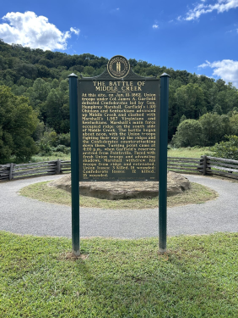

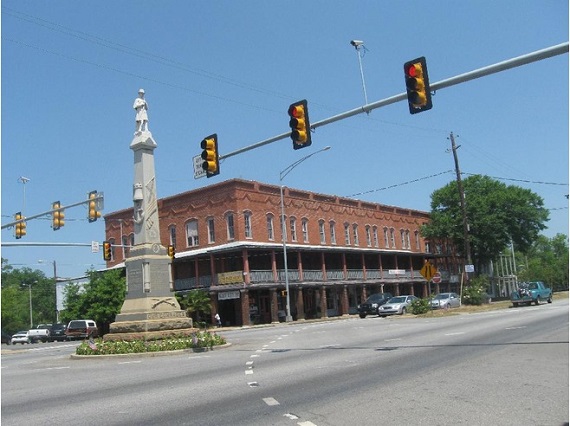
Debating 19th-century history, constitutional theory, and the causes of the War Between the States remains a central focus for many Southern commentators. Unpacking the complexities of the 1860s and challenging popular historical myths is a long-standing intellectual endeavor. However, an overwhelming focus on the past has created a dangerous blind spot: while activists spend their energy arguing over historical narratives online, the physical South is being altered in real-time.
If the goal of Southern preservation is the protection of local self-determination, culture, and community, today’s primary battlefield is not in the archives or comment sections. It is in county planning commissions, municipal halls, and zoning boards.
The Real-World Threats to Modern Communities
Self-determination is not merely an abstract political concept; it is a practical reality measured by a community’s ability to govern its own land and resources. Across the region, local communities face immediate pressures that threaten their character and independence:
- Unchecked Subdivisions: Out-of-state developers paving over family farms and historic rural spaces, placing immense strain on local infrastructure and pricing native residents out of their hometowns.
- Industrial Data Centers: High-tech conglomerates securing large tracts of land, threatening local water tables and overloading rural energy grids.
- Corporate Land Grabs & Landfills: External industrial interests targeting rural, working-class counties for waste facilities and high-density developments, eroding local property values and quality of life.
A community that loses its land, its water, and its local economic independence to corporate overdevelopment loses its identity—regardless of how well its citizens understand 1861.
From Abstract Theory to Civic Leverage
Achieving tangible results requires moving beyond online manifestos and theoretical affidavits. True local control is exercised through practical civic leverage:
- Active Municipal Engagement: Showing up at county council meetings, organizing petition drives, and challenging predatory land-use permits directly protects local ground.
- Broad-Based Coalitions: Stopping a mega-subdivision or an unwanted industrial facility requires uniting diverse groups of landowners, farmers, suburban residents, and local officials around shared present-day interests.
- Pragmatic Focus: Demanding total ideological or historical agreement from local partners before working together on a zoning issue guarantees isolation. Strategic success depends on prioritizing current-day community preservation.
Conclusion
A movement that remains permanently fixated on past conflicts risks becoming a commentary club rather than an active force for preservation. Historical understanding has its place, but it must not replace the hard, daily work of protecting the living South. The future of Southern self-determination will be decided by those who step out from behind the keyboard and show up where local decisions are actually made.
The views expressed at AbbevilleInstitute.org are not necessarily those of the Abbeville Institute.