
Research and Writing Needed for Southern History, Part 2
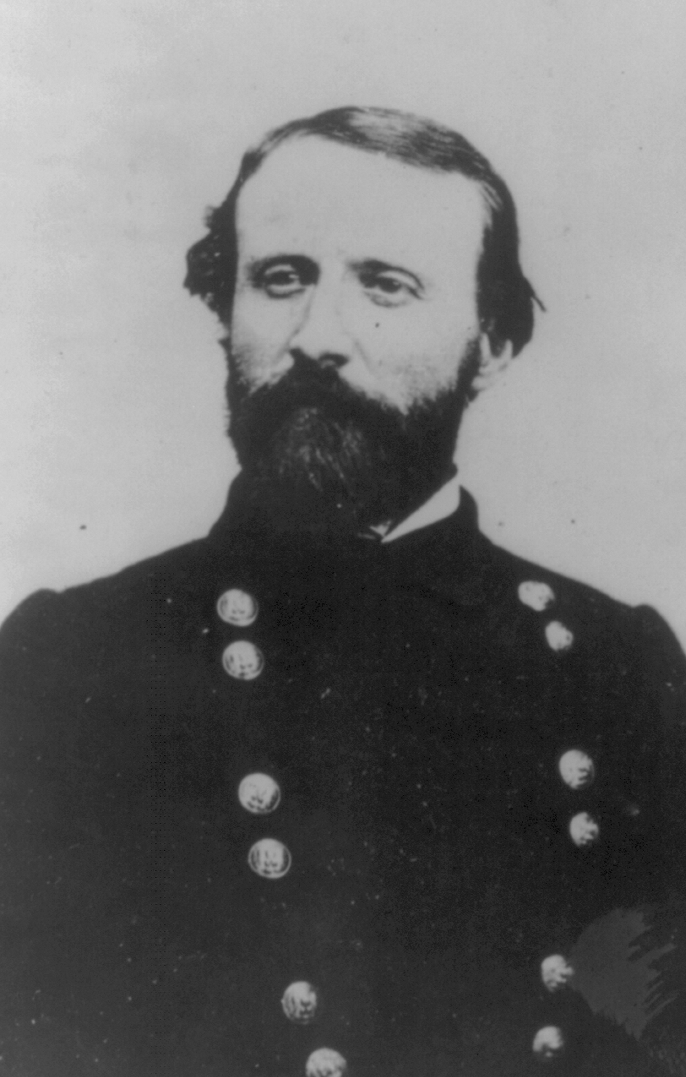
Of many interesting Confederate characters one of the most colorful was Brig. Gen. Thomas Jordan, a brilliant and multi-talented soldier who deserves a full biography. Since some of his career was in military intelligence (then known as “secret service”), in the nature of the case research might present some problems.
Born in Virginia in 1819, Jordan graduated from West Point in 1840. In the U.S. regular army he saw active and well-recognised service, including combat, in the Mexican War and Seminole campaigns.
As a staff officer in Washington, he understood before most that Lincoln intended war on the South, and he began in 1860 organising an intelligence network for the South. When resigning and heading South, he turned over this network to the well-known Rose O’Neal Greenhow.
After conspicuous service at Shiloh, Jordan was promoted to Confederate brigadier general on April 14, 1862. For most of the war he was chief-of staff to Gen. Beauregard in his commands in various parts of the Confederacy. In that post he participated in important meetings and doubtless kept a hand in intelligence work.
After the war, 1866-1868, Jordan edited a newspaper in Memphis, wrote articles for national magazines, and published, with J.B. Pryor, a book—The Campaigns of Lieutenant General Nathan Bedford Forrest and of Forrest’s Cavalry. In this Jordan showed from the start an acute appreciation of the future needs of Confederate history.
In 1868 Jordan landed in Cuba with 300 men and arms for an expected 6,000 recruits. There was an ongoing war being fought by rebels seeking independence from Spain. Jordan joined the rebel forces as chief of staff and soon became general in chief. He won one of the few victories in the war of independence by defeating the Spanish at the battle of Guaimoro. With supplies and recruitment failing, he resigned in 1870 and departed Cuba in an open boat. The Spanish put a large reward of gold on his head.
In a novel published in Havana in 1917–Tempos. Heroicicos. Persecussion–by a fellow rebel soldier, Calixto Enamorado, Jordan appears.
For the rest of his life Jordan lived in New York with a home on Staten Island. He edited the journal Mining Record and became a Catholic convert. He died in 1895 and is buried in Mt. Hope Cemetery, Hastings on Hudson, Westchester County, New York. In the same cemetery is another interesting Confederate officer, William Henry Parsons, who also deserves a bit of research and writing.
The views expressed at AbbevilleInstitute.org are not necessarily those of the Abbeville Institute.