Monthly Archives

October 2026

A Principled Defense of Confederate Memorials Blog

A Principled Defense of Confederate Memorials

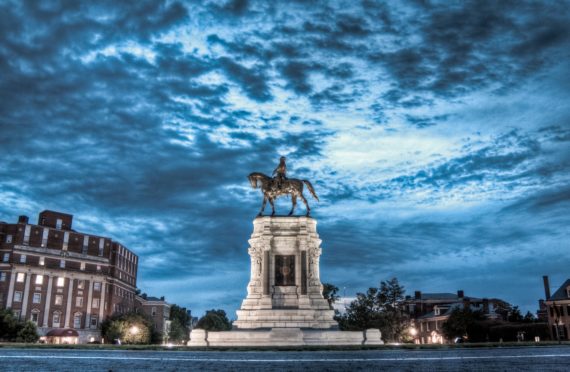
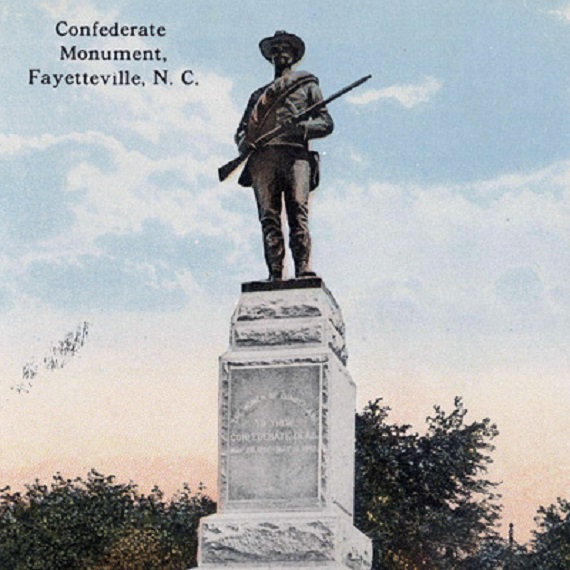
The recent decapitation of a World War II memorial in Virginia provoked widespread outrage. Even CNN, the notorious liberal rag, disapproved, reporting that, The Battle of Iwo Jima monument in Quantico, Virginia, has suffered hundreds of thousands of dollars in damage after a man beheaded one of the statues Wednesday evening, police said. Officers responding to a report of destruction…
Wanjiru Njoya
October 30, 2026
The South as a Christian Civilization Blog

The South as a Christian Civilization

Let me begin by quoting from a book entitled, The Attitude of the Northern Clergy Toward the South, published in 1942. Its author, Chester F. Dunham, wrote: Southern Christianity, or the theological position of Southern Christian Churches, was thoroughly orthodox. Religion in the South, by and large, supported the civilization, culture, and social order south of the Mason Dixon line.…
Karen Stokes
October 29, 2026
The Hand on the Throttle Blog

The Hand on the Throttle

Southern railroad songs are often treated as a musical celebration of trains: their speed, their whistles, and the power of a locomotive moving through the landscape. The cultural connection is in the songs and in the life the songs come from. The South had more single-track, light-rail, and newly built lines than the Northeast in the decades after the Civil…
Tom Daniel
October 28, 2026
Good Southern Reading Blog

Good Southern Reading

Originally published at Reckonin.com Here are some good books published in fairly recent years that you may not have encountered. Perrin Lovett, The Substitute and Aurelius and Other Tom Ironsides Adventures. I am tempted to call Tom Ironsides a Southern James Bond, but he is a much better man and more relevant to our times than Bond. Once a CIA…
Clyde Wilson
October 27, 2026
Our Heritage is Our Haven Blog

Our Heritage is Our Haven

We hear it from the haters of our heritage all the time. Old times in Dixie must be forgotten and never remembered. We’re not in sync with modern America, or to a large extent with the modern American South. Yet we must ask why this modernity deserves our allegiance. It is crucial today, more than ever, for Southerners to embrace…
John Vinson
October 26, 2026
The Poles Who Quietly Helped Build the American South Blog

The Poles Who Quietly Helped Build the American South

Ask most Americans who built the South and the answer drifts toward the British Isles. English planters claimed the Tidewater, Scots-Irish settlers cleared the backcountry, and Irish laborers dug the canals. Tucked inside that familiar story runs a quieter thread spun by people from the lands of modern Poland, and it stretches from Jamestown to Texas, New Orleans, Baltimore, and…
Jose Nino
October 23, 2026
The Devil’s Box Blog

The Devil’s Box

Do you have a piano in your church? An organ? A guitar? A bass and drum set? A pedal steel? I’ve visited a lot of churches all over the South covering more denominations than I can count, but I have never once encountered a fiddle in any of them. The fiddle has probably acquired more theological baggage than any other…
Tom Daniel
October 22, 2026
Timeless Blog

Timeless

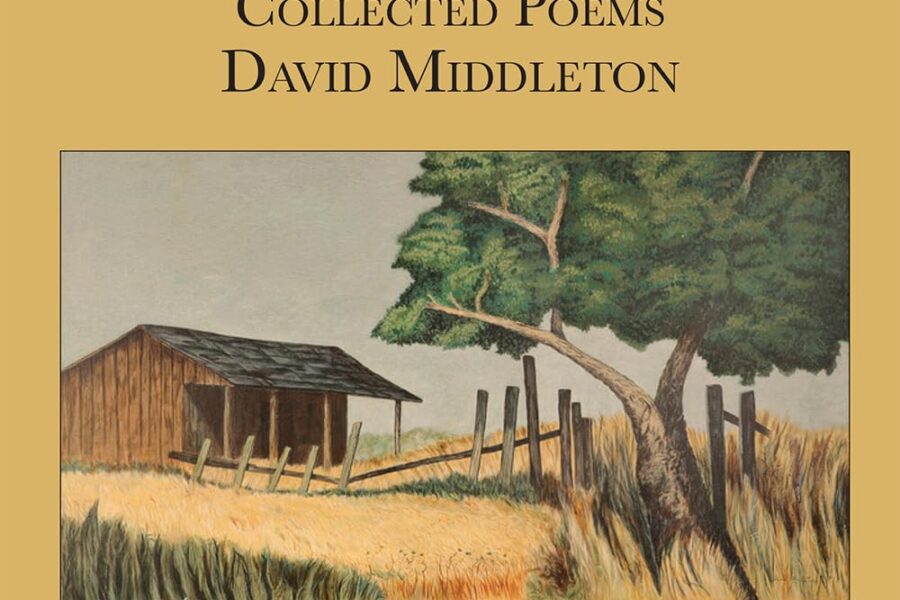
A review of Time Will Tell: Collected Poems (The University Press of SHSU, 2025) by David Middleton The deaths of Fred Chappell in 2024 and of Wendell Berry this past summer have left a gaping hole not only in Southern letters but in American prosody as a whole.  Their poems, seemingly confined to the hills and hollers and valleys of southwestern North…
Randall Ivey
October 20, 2026
The Southern Tradition, Techno-Totalitarianism, and Our Temu-Faustian Bargain Blog

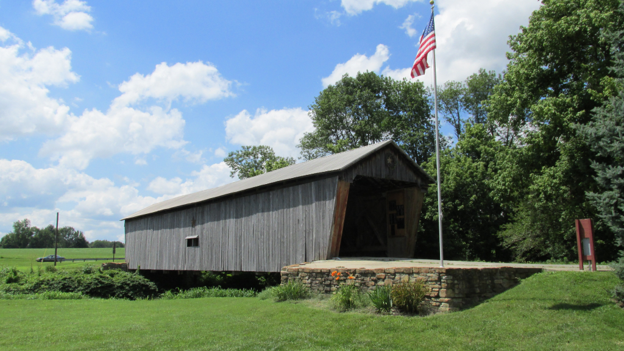
The Southern Tradition, Techno-Totalitarianism, and Our Temu-Faustian Bargain

“My wish is simply to live my life as fully as I can…And in our time this means that we must save ourselves from the products that we are asked to buy in order, ultimately, to replace ourselves.” —Wendell Berry, What Are People For? (1990) “It is easy for me to imagine that the next great division of the world…
James Rutledge Roesch
October 19, 2026
The State that Seceded After the War was Over Blog

The State that Seceded After the War was Over

Kentucky never voted to leave the Union, yet it produced an entire rival government, thousands of Confederate soldiers, and a star on the Confederate battle flag. That contradiction makes it one of the strangest states during the Civil War—a place where roughly 25,000 to 40,000 men fought for the Confederacy while somewhere between 74,000 and 125,000, including approximately 24,000 to…
Jose Nino
October 16, 2026
Jefferson and the Barbary Wars Blog

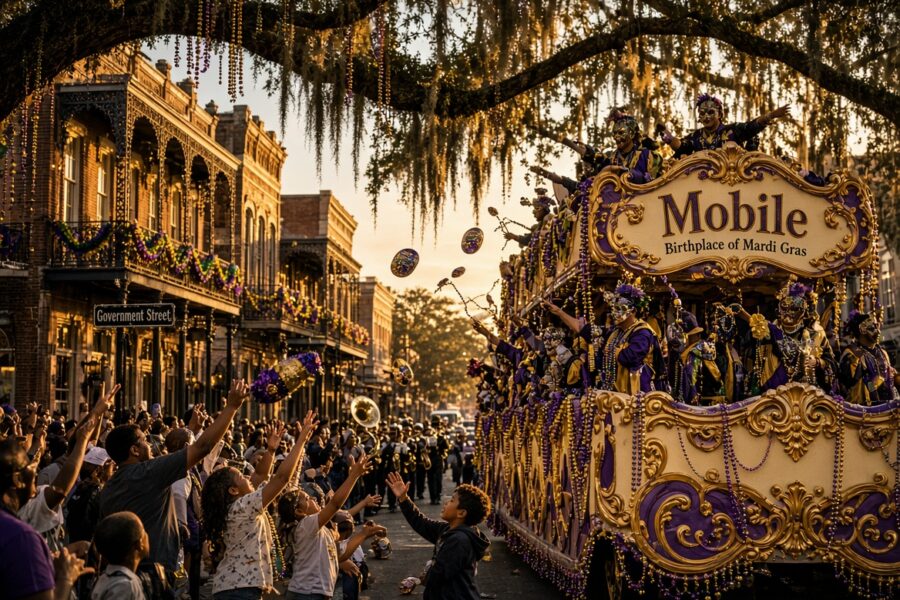
Jefferson and the Barbary Wars

Thomas Jefferson today is often castigated by “manly” scholars for not being more like George Washington or his aide-de-camp Alexander Hamilton. Though an excellent horseman, those skills were never on display during the American Revolution—especially during the British assault on Virginia during Jefferson’s tenure as governor (1779–1781). Yet that is like criticizing a puffin for being a puffin. Jefferson was…
M. Andrew Holowchak
October 15, 2026

A Question of Skulls Blog

A Question of Skulls

Even here in Charleston, the city celebrated so lovingly in its pages, Owen Wister’s Lady Baltimore (1906) seems to be the subject of a discreet silence. For some time I was puzzled by this, for the novel has lost little if any of its original charm. While DuBose Heyward's sentimental Porgy is daily fodder for every horse-and-buggy tour guide on…
Jack Trotter
October 14, 2026
Appalachian Murder Ballads Blog

Appalachian Murder Ballads

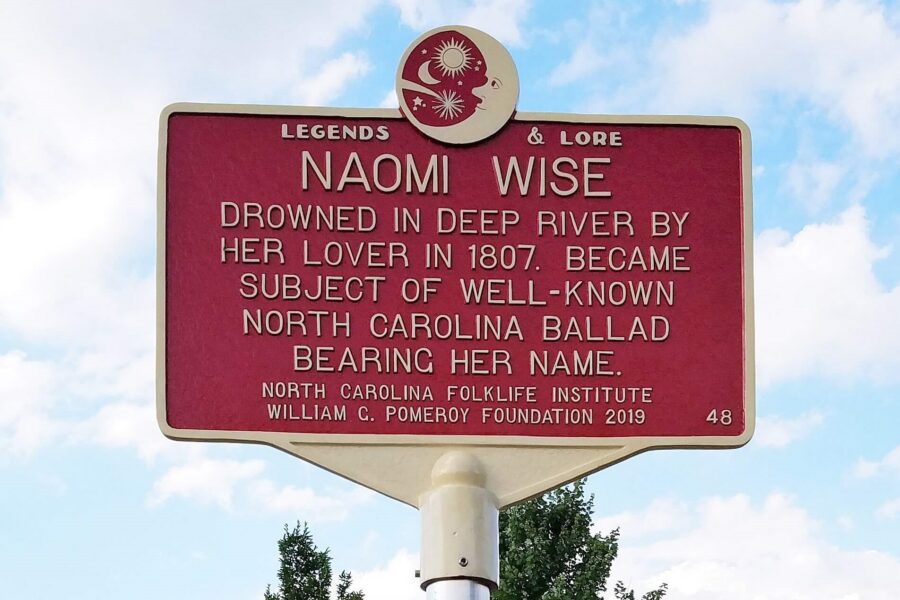
October is a time when folks put a skeleton on the porch and call it a personality. Plastic gravestones, jack-o-lanterns, spider webs, fog machines, and a playlist that treats death like a party favor. However, the Southern mountains don’t need October for that, because they’ve already got the murder ballads. There are songs about a girl who walked into the…
Tom Daniel
October 13, 2026
Lincoln and the Constitution Blog

Lincoln and the Constitution

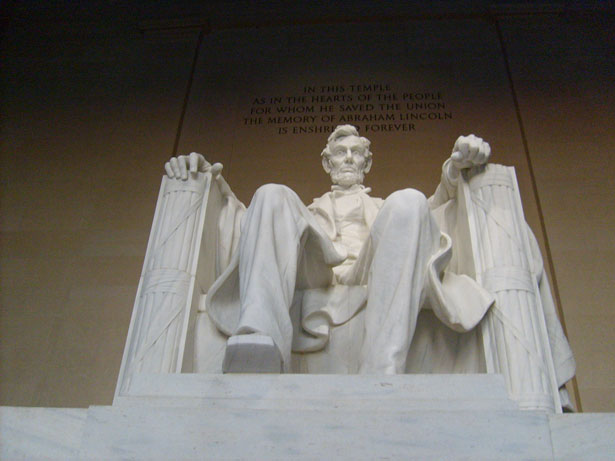
This is how most Americans see America’s 16th President. But, in reality, so much of what most of us “know” about Abraham Lincoln is not only untrue, but a mockery of the truth. Why does this matter? It matters because much of what is wrong with America today—and especially our out-of-control central government—can be traced back to Lincoln’s time and…
Valerie Protopapas
October 12, 2026
The Melancholy Conclusion Blog

The Melancholy Conclusion

On March 1, 1836, the delegates at Washington-on-the-Brazos met in an unfinished building in near-freezing weather, and they appointed a committee of five to write a declaration of independence. The committee, chaired by George Childress, brought back a finished draft within a day. Historians suspect Childress had written much of it before he arrived. The convention adopted it on March…
Daniel Miller
October 8, 2026
Music in the House of Lee Blog

Music in the House of Lee

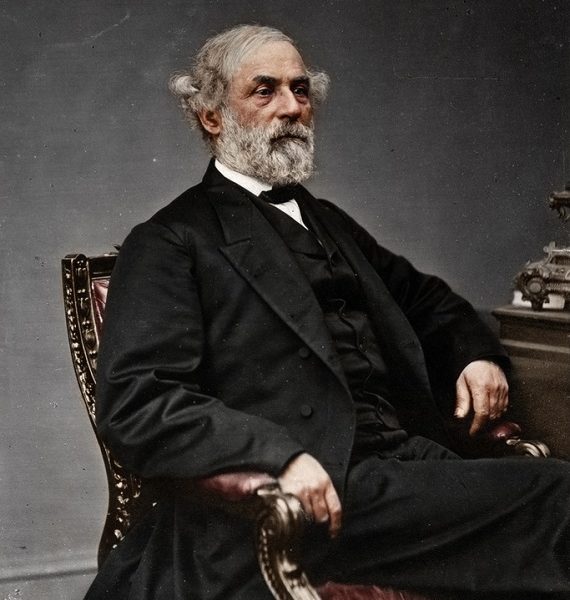
Robert E. Lee did not play an instrument. That single fact, set beside the musical lives of Thomas Jefferson, Patrick Henry, and Jefferson Davis, requires a moment of careful consideration, because it does not mean what it first appears to mean. Jefferson submitted himself to decades of violin practice, treating musical discipline as inseparable from intellectual formation, and understanding that…
Tom Daniel
October 7, 2026
The Monroe Doctrine Blog

The Monroe Doctrine

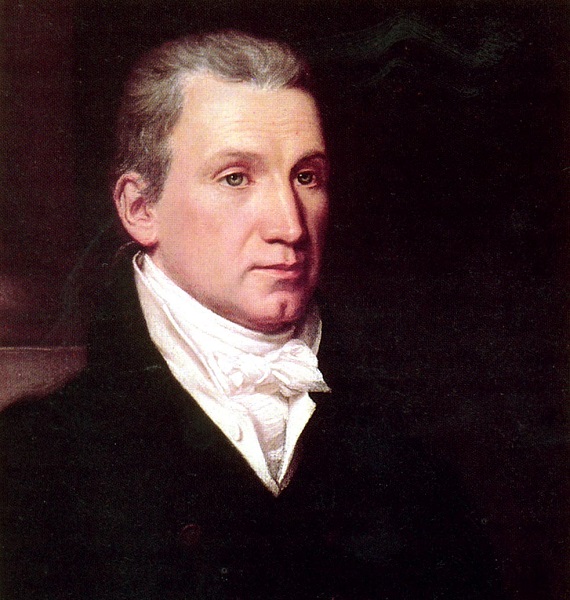
In his lengthy Seventh Annual Address to the US Congress—6354 words—President James Monroe offers an assessment of the state of the United States during the latter stages of his second term in office. The address—written by John Quincy Adams who often shows that he has his father’s DNA by wordiness, infelicity of grammar, and lack of clarity of expression in…
M. Andrew Holowchak
October 6, 2026
Grandma’s Provincialism Blog

Grandma’s Provincialism

When my paternal grandmother passed away; her departure left me reflecting on her legacy and impact on my cultural understanding of who I am. Grandma was what many call a “Heritage American”. Every branch of her family had resided in the country before many of the Founders were born and were representative of colonial Virginia and the Middle Atlantic. However,…
Cole Branham
October 2, 2026
The Hidden Origins of Mardi Gras Blog

The Hidden Origins of Mardi Gras

On the evening of March 2, 1699—Fat Monday, the night before Mardi Gras—two brothers from the French colony of New France steered a small boat into the muddy mouth of the Mississippi River, hunting for a waterway that earlier expeditions had failed to find and hold. Pierre Le Moyne d'Iberville and his younger brother Jean-Baptiste Le Moyne de Bienville were…
Jose Nino
October 1, 2026